The leaders the workforce of the 2030s will be made of are already in the room. What we observed at the Bravos Lab on Working with GenZ — and why employee engagement is no longer a generation conversation. It’s an organisation-design one.
By 2030, Generation Z will make up roughly 30% of the global workforce. In five years, they will not just be employees; they will be your managers, your clients, and increasingly your board members. The companies that figure out how to lead this cohort well are not the ones running another engagement survey. They are the ones already in conversations where senior leaders and GenZ professionals are in the same room, asking each other harder questions than the ones HR departments usually allow.
On May 5th in Dubai, that room existed.
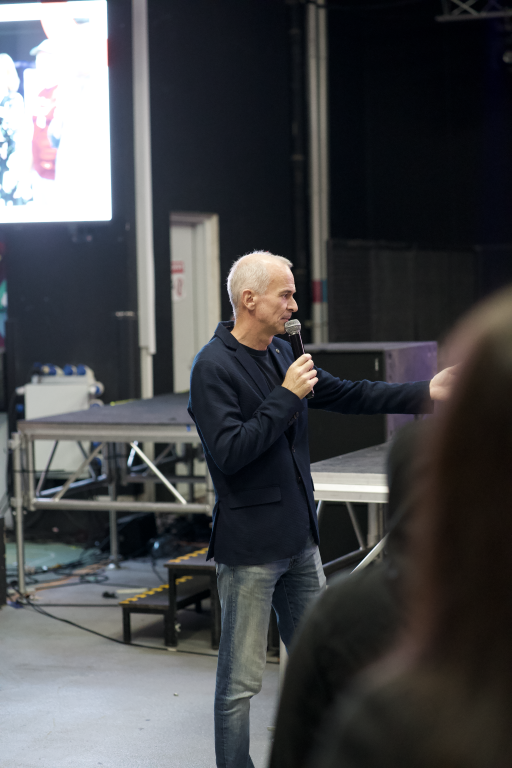
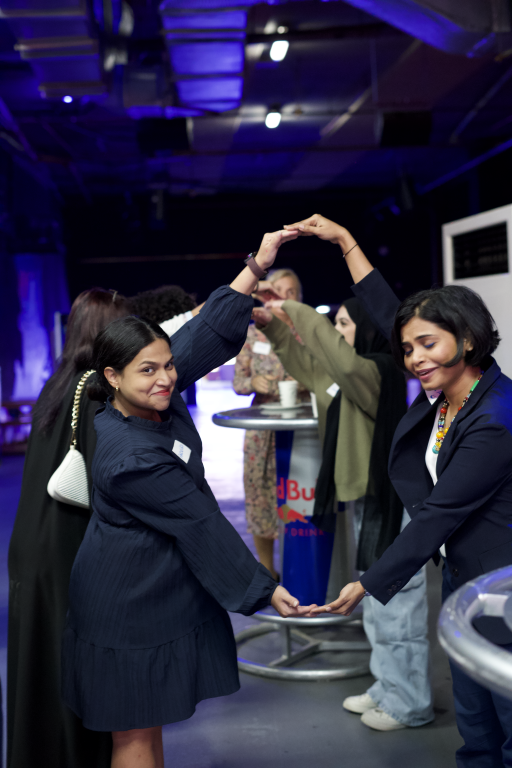
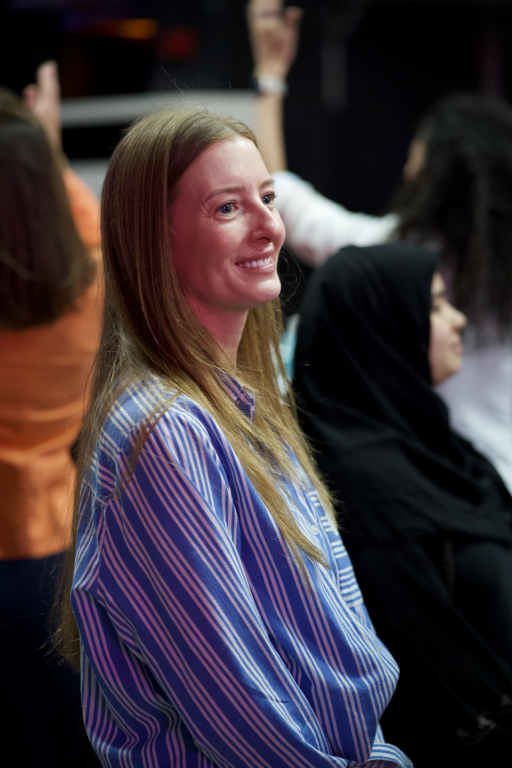
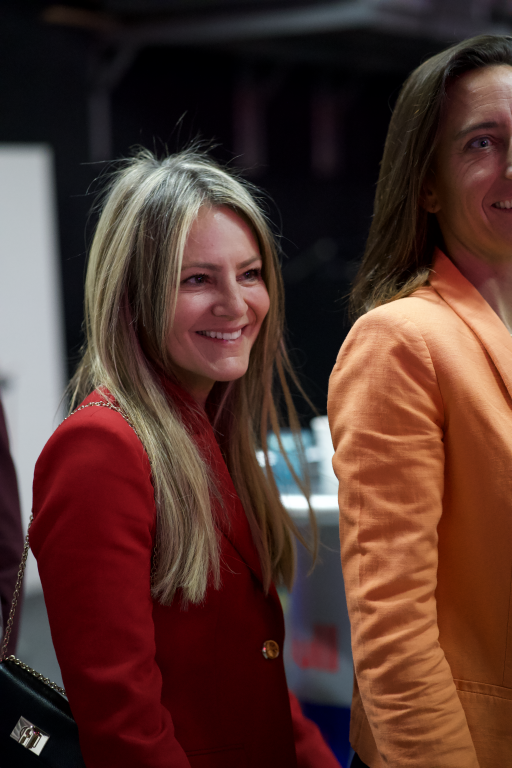
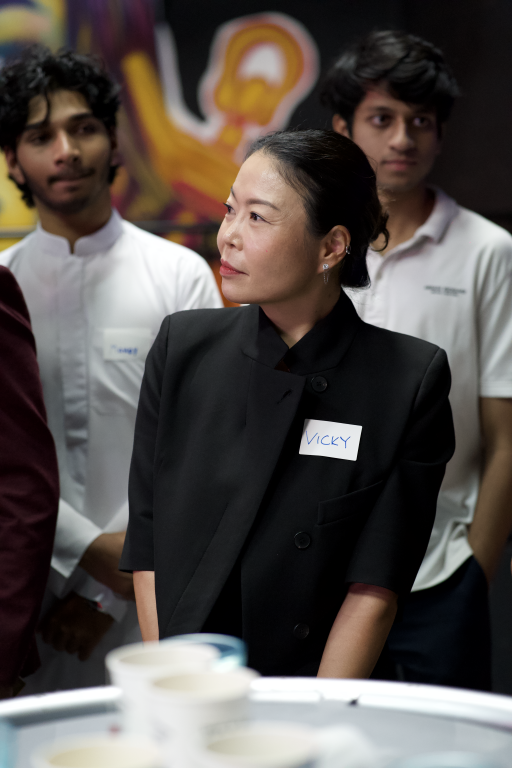
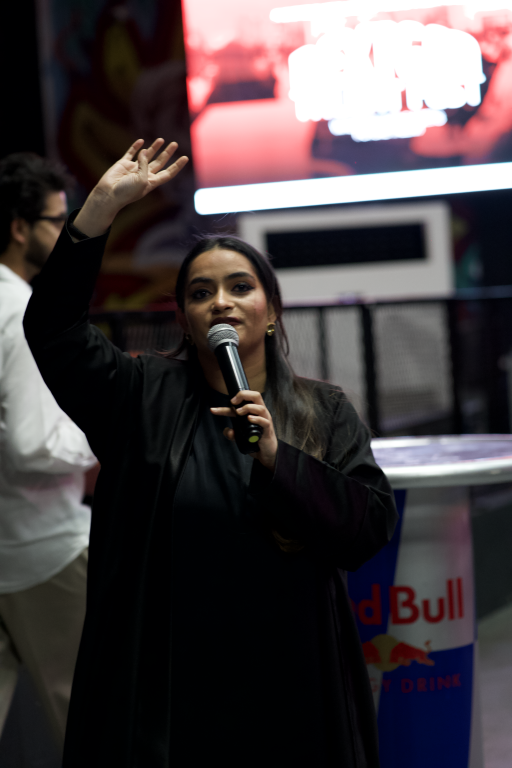
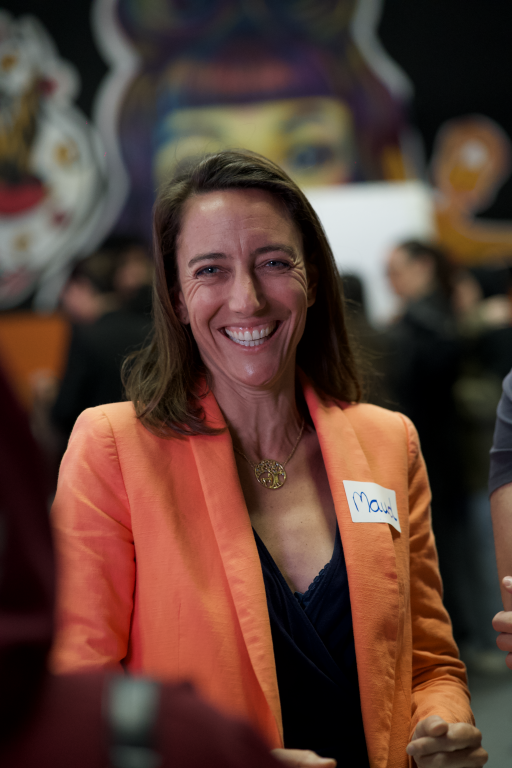
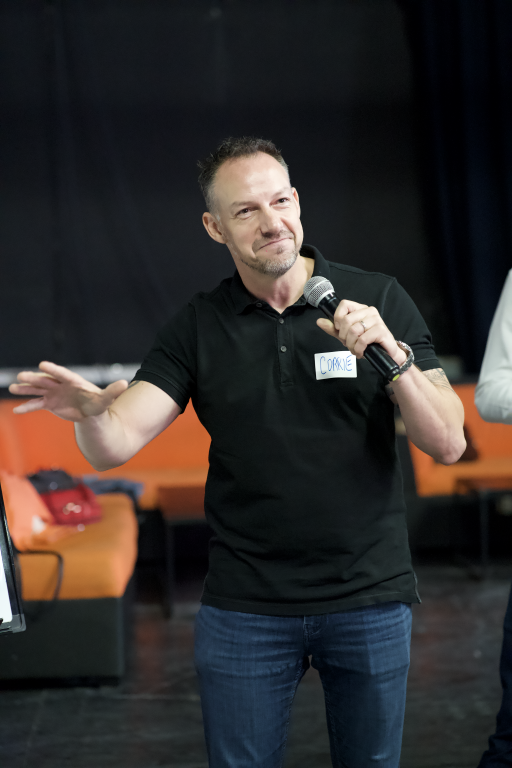
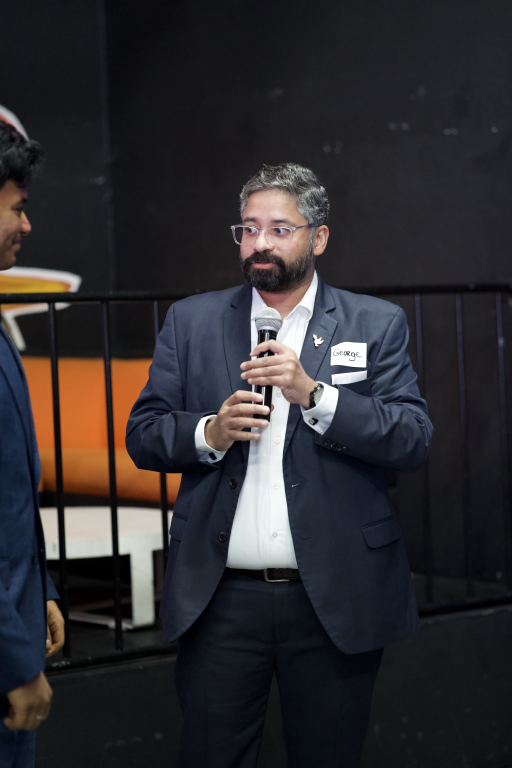
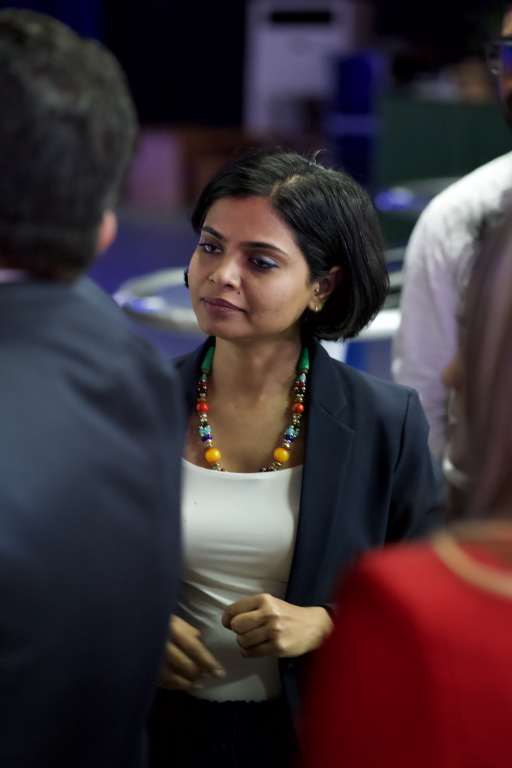
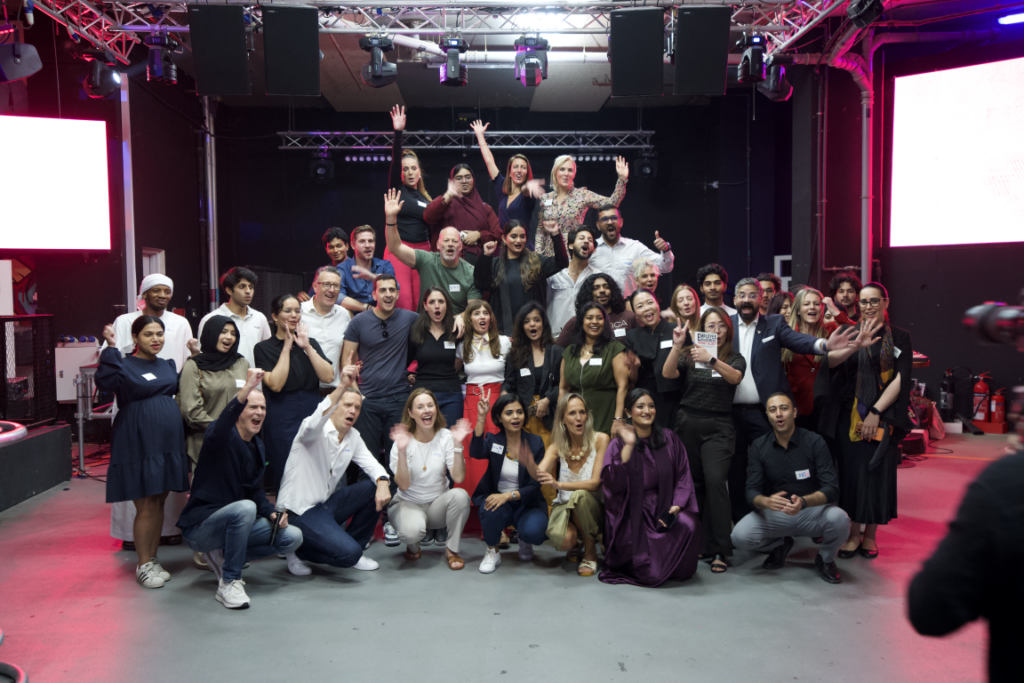
The Bravos Lab — part of the Herculean Alliance ecosystem and operated by our UAE community programme — hosted Working with GenZ: Comedy, Chaos, and Control, led by Aqsa Khalifa, co-founder of Pupilar and Festival Director of NextGen Talent Fest. Fifty people showed up the morning after the regional security situation escalated and schools across the UAE moved back to home learning overnight. Roughly a third of the room was GenZ itself: working leaders, founders, students. The session ended with Aqsa’s LIE framework — Loyalty, Identity, Energy — a tool for thinking about what this generation actually wants from the people they choose to work for. (Aqsa’s work is the place to read further on the framework itself.)
The observation worth holding onto is not the framework. It is the room.
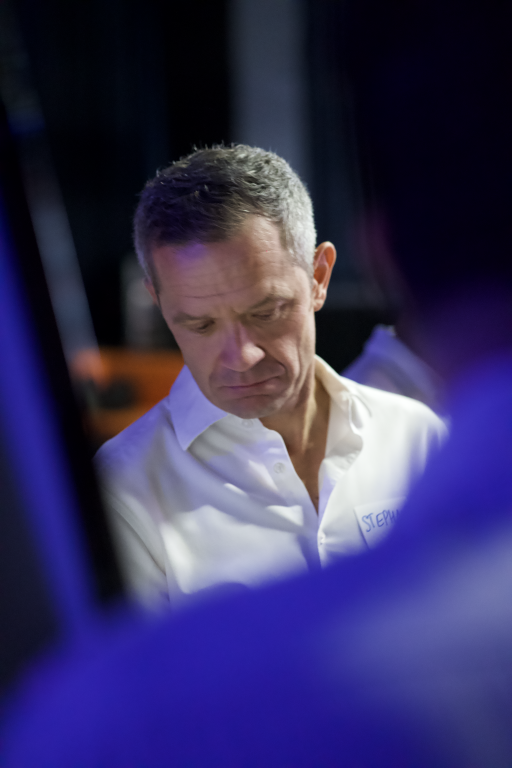
For 25 years at Herculean Alliance, we have argued that employee engagement is a strategic lever, not a soft topic. That argument has typically been framed as a measurement problem — companies do not engage because they do not measure, they do not measure because they do not have credible tools, and so on. What the Aqsa Lab made visible is that engagement is also a room problem. The conversations that move organisations forward happen when senior leaders and the people they lead are in the same physical space, working through real questions, without the protective distance of org charts or HR processes. Most leadership conversations in this region happen at conferences with hundreds in a ballroom, or in private with one consultant, and rarely anywhere in between. The Lab format exists for that in-between.
There is one number from the morning that matters more than the Gen Z statistics. Fifty leaders walked into Media One Hotel at 8 AM the day after the alarms. Some had been at home schooling children for the morning. Some had cancelled meetings to be there. None had been sent. They came because they believe employee engagement drives performance, innovation, and customer happiness — and they wanted two hours sharpening how to act on that belief.
That, more than any framework, is what the workforce of the 2030s will be made of.
If you want to know where your organisation stands on the leadership behaviours that retain this generation, the Herculean Alliance readiness scan takes a minute and gives you an honest, peer-relative read on how your organisation is actually led. Start here: bravos.ae