What if HR were a bit more like Marketing?
It’s a question that tends to make people uncomfortable, especially in organisations where HR and Marketing live in different worlds, speak different languages and rarely sit around the same table.
And yet, many of the challenges organisations keep struggling with sound painfully familiar:
Recruitment is slow. Onboarding is uninspiring. Internal communication doesn’t land. People are disengaged.
These are not new problems. They’ve been around for years. So why do they persist?
What Marketing figured out long ago
Marketing learned something HR is still catching up on: People don’t engage with processes. They engage with experiences.
You can have the most carefully designed policies, frameworks and procedures. But if the experience doesn’t resonate, people tune out. That insight changed how marketing works. It should also change how HR works.
Today’s employees don’t behave like resources, but much more like customers.
Meaning: They choose, compare, and leave when the promise doesn’t match the experience.
Employer branding may attract people, but lived experience determines whether they stay. And that’s where the gap often appears.
The question HR often skips
Marketing almost always starts with the same fundamental questions:
- Who are we trying to attract?
- Where do we find them?
- What actually motivates them?
Too often, HR skips that step. Instead, organisations jump straight to job descriptions, competency frameworks and policies, assuming engagement will somehow follow. But it rarely does.
Why HR and Marketing need each other
When HR and Marketing genuinely work together, something shifts: Internal branding becomes as intentional as external branding and
communication becomes clearer, not louder. The employee experience starts to feel coherent, not fragmented.
It’s about adopting a mindset that understands choice, perception and experience.
If employees behave like customers, then HR’s role evolves from designing processes and enforcing policies to designing experiences and shaping moments that matter. Recruitment, onboarding, leadership communication and daily interactions: all of these send signals, whether you intend them to or not.
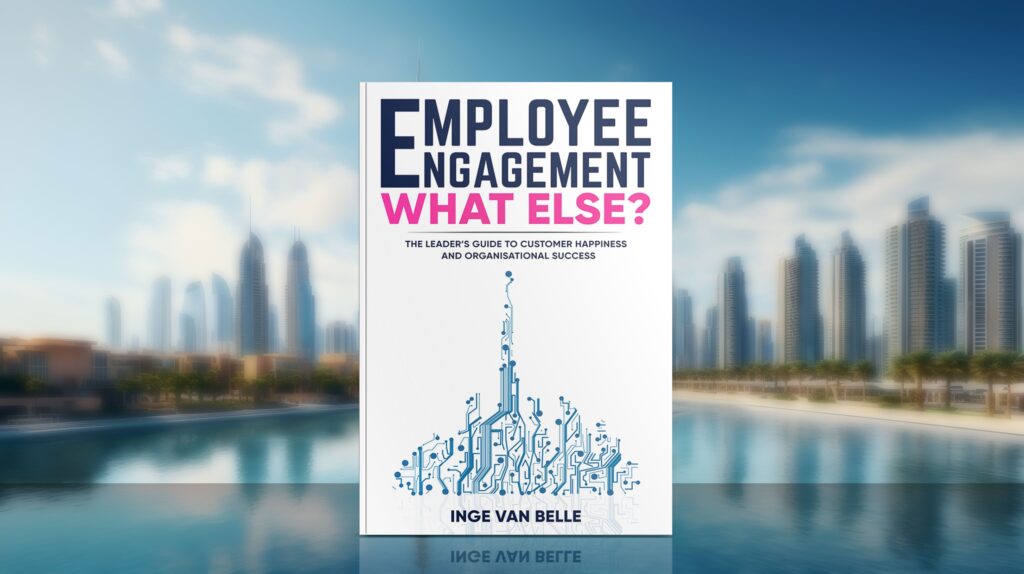
If this perspective resonates and you’re wondering how to actually apply this in practice, my book Employee Engagement, What Else? goes deeper into exactly that question. As a bonus, every purchase includes a free practical workbook, designed to help you translate insights into action.